"When the Sky Fell Over Hawaii"
Pearl Harbor and the Road to War
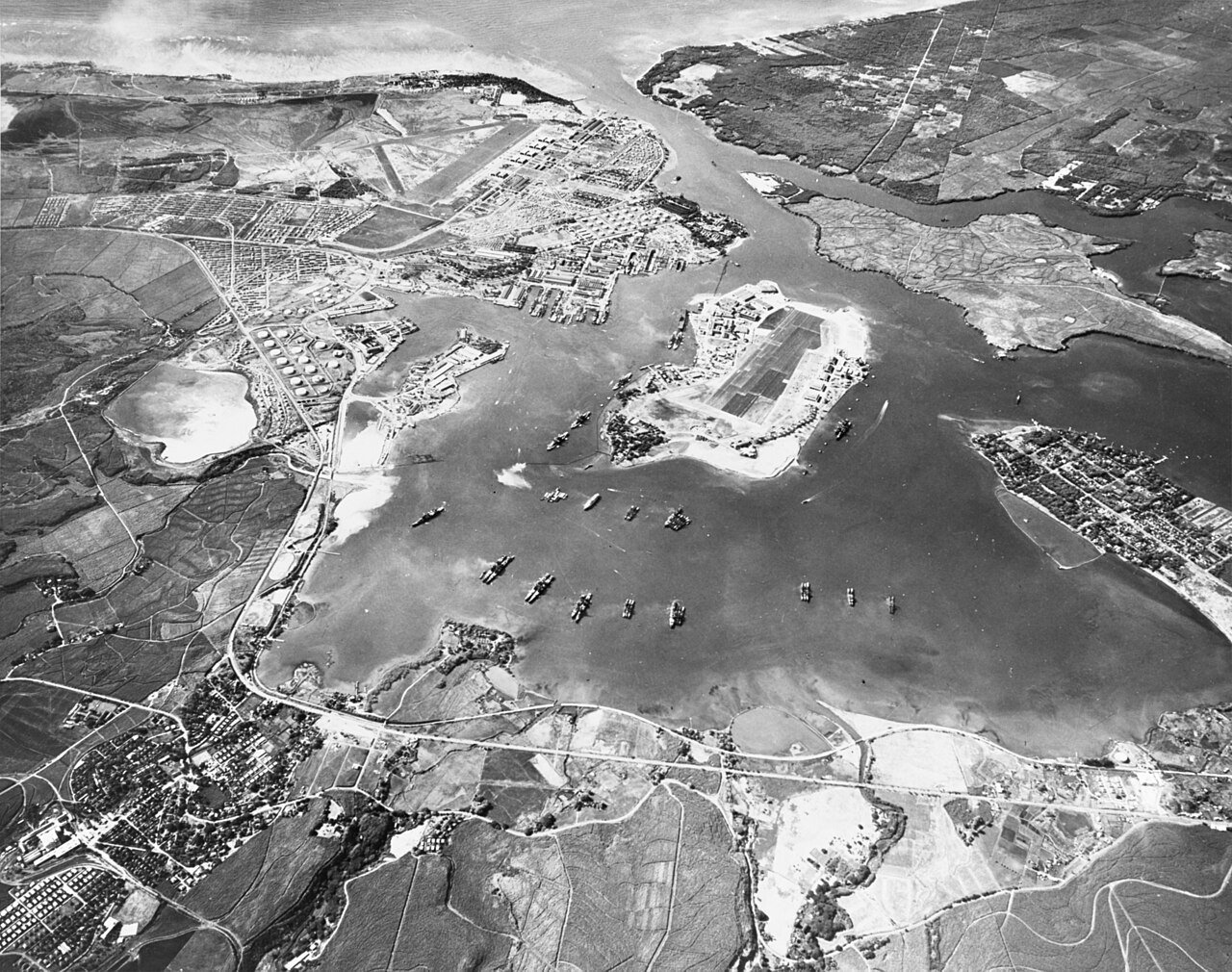
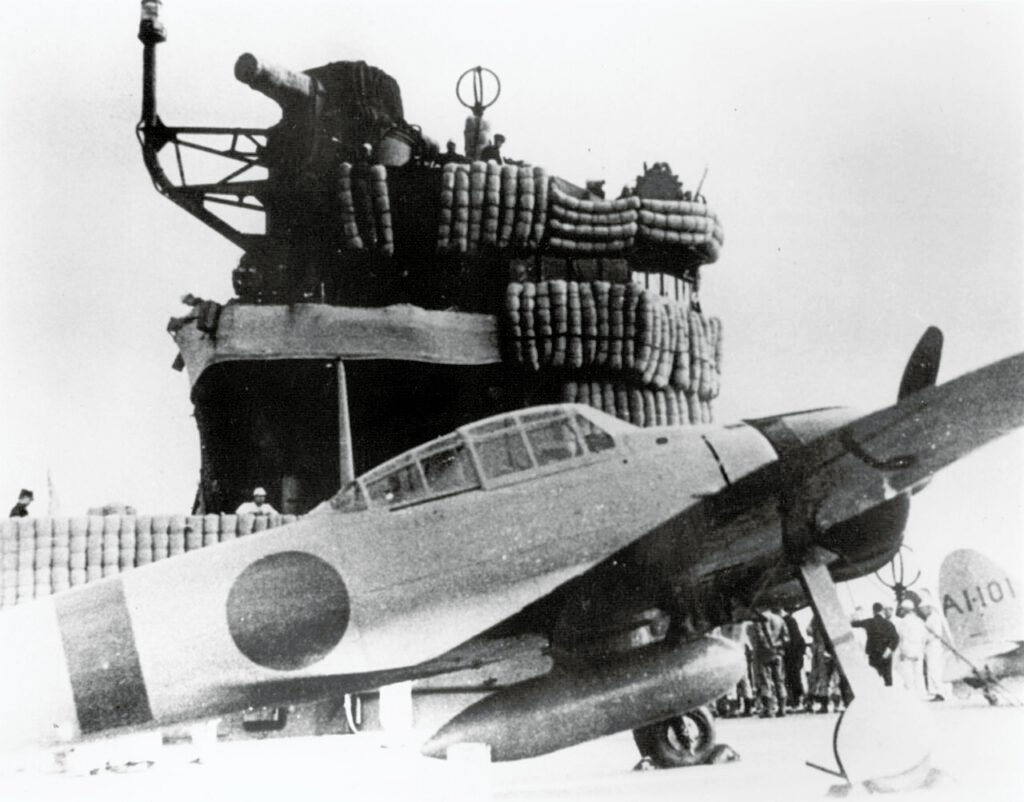
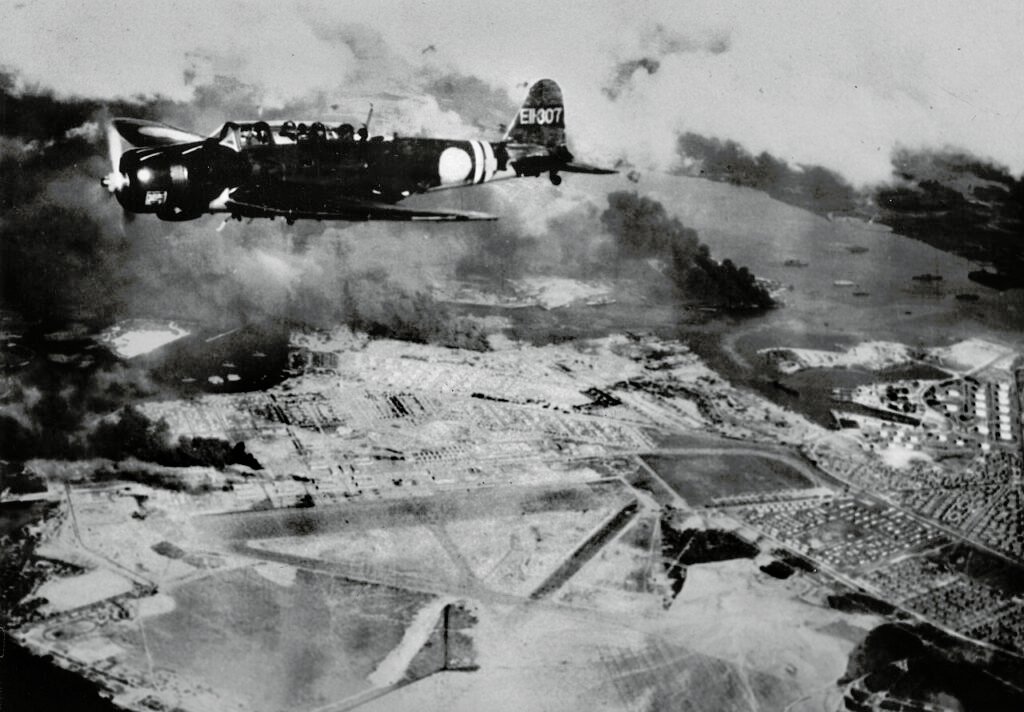
Pearl Harbor is a United States naval base located near Honolulu, Hawaii. On December 7, 1941, it became the site of a devastating surprise attack by Japanese forces. Just before 8 a.m. on that Sunday morning, hundreds of Japanese fighter planes descended on the base. They destroyed or damaged nearly 20 American naval vessels, including eight battleships, and more than 300 airplanes. Over 2,400 Americans lost their lives in the attack, including civilians, and about 1,000 others were wounded.
The day after the assault, President Franklin D. Roosevelt addressed Congress and asked for a declaration of war against Japan. This marked the United States’ entry into World War II. The attack on Pearl Harbor was shocking, but tensions between Japan and the United States had been growing for many years. Disputes over territory, trade, and power in the Pacific region had pushed both nations toward conflict.
The tragedy of Pearl Harbor became a turning point in American history. It united the country and changed the course of the war. The event is remembered as one of the most significant moments of the 20th century
How the Great Depression Fuelled Tensions:
Before the attack on Pearl Harbor, tensions between Japan and the United States had been building for nearly a decade. Japan, an island nation long isolated from the rest of the world, began a period of aggressive expansion near the beginning of the 20th century. Victories in two major wars—against China in 1894–95 and Russia in 1904–05—fueled its growing ambitions. Japan’s successful participation in World War I (1914–18) on the side of the Allies further strengthened its confidence and global position.
As Japan’s population and economic pressures increased, the nation sought to expand its influence and secure resources by turning toward China. In 1931, Japan invaded Manchuria, marking the start of its campaign to dominate East Asia. When the League of Nations condemned this invasion, Japan withdrew from the organization and maintained control of Manchuria until the end of World War II in 1945.
In July 1937, a violent clash at Beijing’s Marco Polo Bridge triggered a full-scale war between Japan and China. By December of that year, Japanese forces captured Nanjing (then called Nanking), the capital of the Chinese Nationalist Party, or Kuomintang. What followed was one of the darkest chapters in modern history—the Nanjing Massacre.
Over six weeks, Japanese troops carried out brutal acts of violence against civilians and prisoners of war. Tens of thousands were executed, and countless women were subjected to rape and other atrocities. The Nanjing Massacre left deep scars in Chinese history and remains a symbol of wartime brutality. This tragedy reflected Japan’s growing militarism and aggression, setting the stage for the larger conflicts that would soon engulf the world, including the devastating attack on Pearl Harbor in 1941.
Pearl Harbor: Japan’s Gateway to Control of the Pacific:
In May 1940, the United States designated Pearl Harbor in Hawaii as the main base for its Pacific Fleet. Since Americans did not expect Japan to launch an attack so far from its mainland—nearly 4,000 miles away—the base was left largely undefended, making it a vulnerable target. Admiral Isoroku Yamamoto, one of Japan’s leading naval strategists, spent months planning a surprise assault designed to cripple the Pacific Fleet and damage American morale. His goal was to prevent the U.S. Navy from effectively responding as Japan expanded its control over territories in the South Pacific.
The surprise attack on Pearl Harbor became a turning point in world history. It forced the United States out of its isolationist stance and into World War II—a global conflict that would eventually end with Japan’s surrender following the atomic bombings of Hiroshima and Nagasaki in August 1945.
Initially, the attack appeared to be a great success for Japan. Japanese bombers struck all eight U.S. battleships stationed at Pearl Harbor, sinking four and damaging the rest. They also destroyed or damaged over 300 American aircraft and killed about 2,400 Americans. Following the attack, Japanese forces swiftly captured a series of territories across Southeast Asia and the Pacific, including Burma (now Myanmar), British Malaya (Malaysia and Singapore), the Dutch East Indies (Indonesia), and the Philippines. These conquests gave Japan access to vital natural resources such as oil and rubber.
However, Japan failed to achieve its ultimate objective of completely crippling the U.S. Pacific Fleet. The Japanese attack did not destroy key American infrastructure such as oil storage tanks, ammunition depots, and repair facilities. Most importantly, no U.S. aircraft carriers were at Pearl Harbor during the assault. This oversight proved costly for Japan. In June 1942, American forces achieved a decisive victory at the Battle of Midway, shifting the balance of power in the Pacific and marking the beginning of Japan’s decline in World War II.
A Date Which Will Live in Infamy:
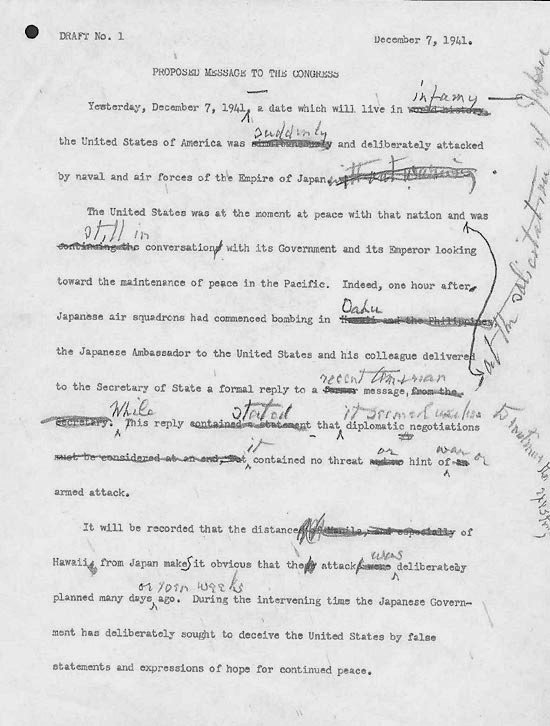
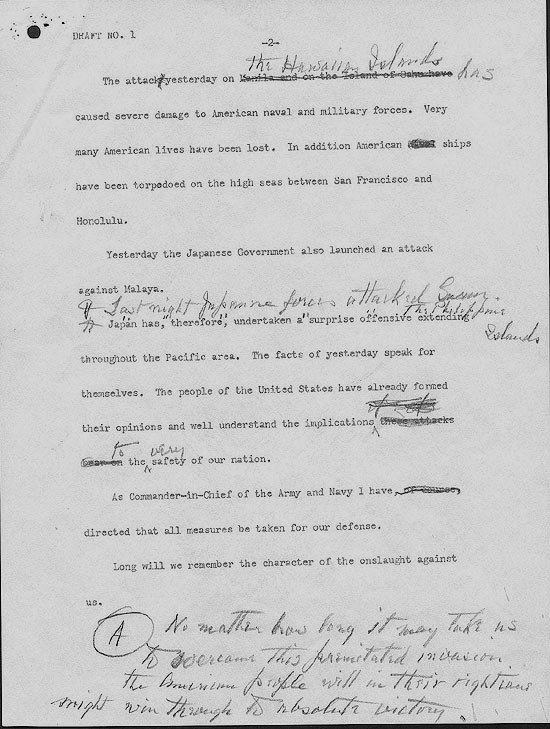
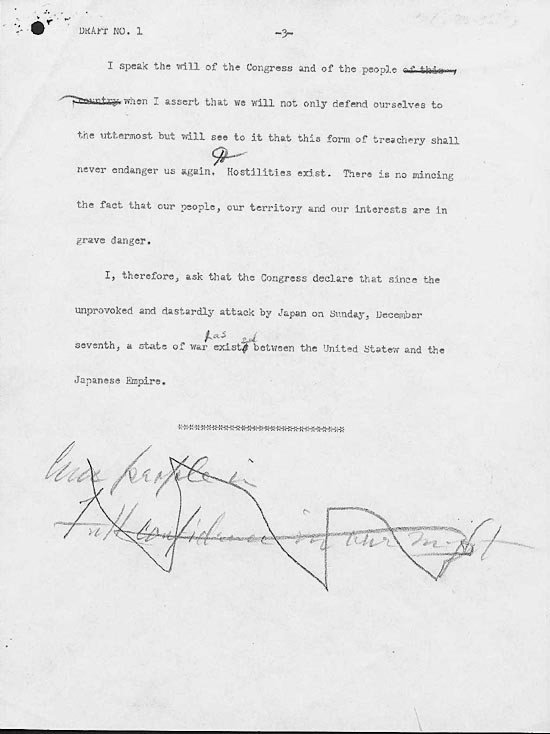
The “Day of Infamy” speech, referred to as The Infamy Speech, was a speech delivered by Franklin D. Roosevelt, the 32nd president of the United States, to a joint session of Congress on December 8, 1941. The previous day, the Empire of Japan attacked United States military bases at Pearl Harbor and the Philippines, and declared war on the United States and the British Empire.
“Yesterday, December 7, 1941—a date which will live in infamy—the United States of America was suddenly and deliberately attacked by naval and air forces of the Empire of Japan.
The United States was at peace with that Nation and, at the solicitation of Japan, was still in conversation with its Government and its Emperor looking toward the maintenance of peace in the Pacific. Indeed, one hour after Japanese air squadrons had commenced bombing in the American Island of Oahu, the Japanese Ambassador to the United States and his colleague delivered to our Secretary of State a formal reply to a recent American message. And while this reply stated that it seemed useless to continue the existing diplomatic negotiations, it contained no threat or hint of war or of armed attack.”
He went on to say, “No matter how long it may take us to overcome this premeditated invasion, the American people in their righteous might will win through to absolute victory. I believe that I interpret the will of the Congress and of the people when I assert that we will not only defend ourselves to the uttermost but will make it very certain that this form of treachery shall never again endanger us. Hostilities exist. There is no blinking at the fact that our people, our territory, and our interests are in grave danger. With confidence in our armed forces—with the unbounding determination of our people—we will gain the inevitable triumph—so help us God. I ask that the Congress declare that since the unprovoked and dastardly attack by Japan on Sunday, December 7, 1941, a state of war has existed between the United States and the Japanese Empire.”