"Fire Over Shanghai"
When China Stood Against Imperial Japan
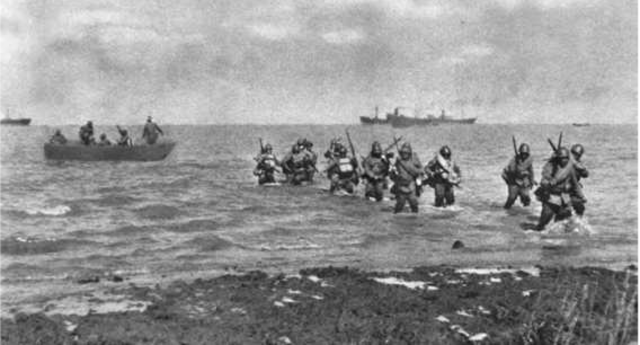
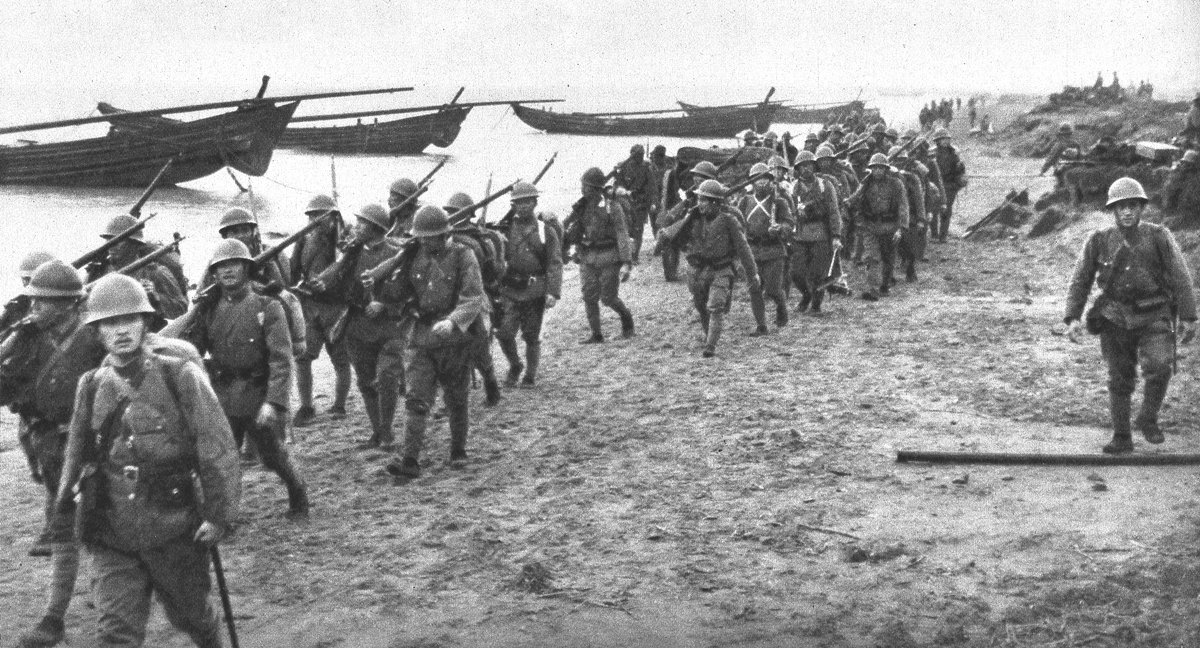
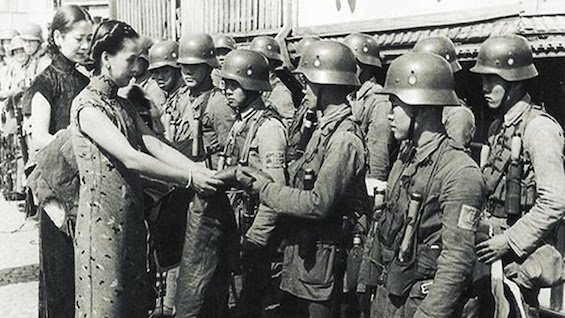
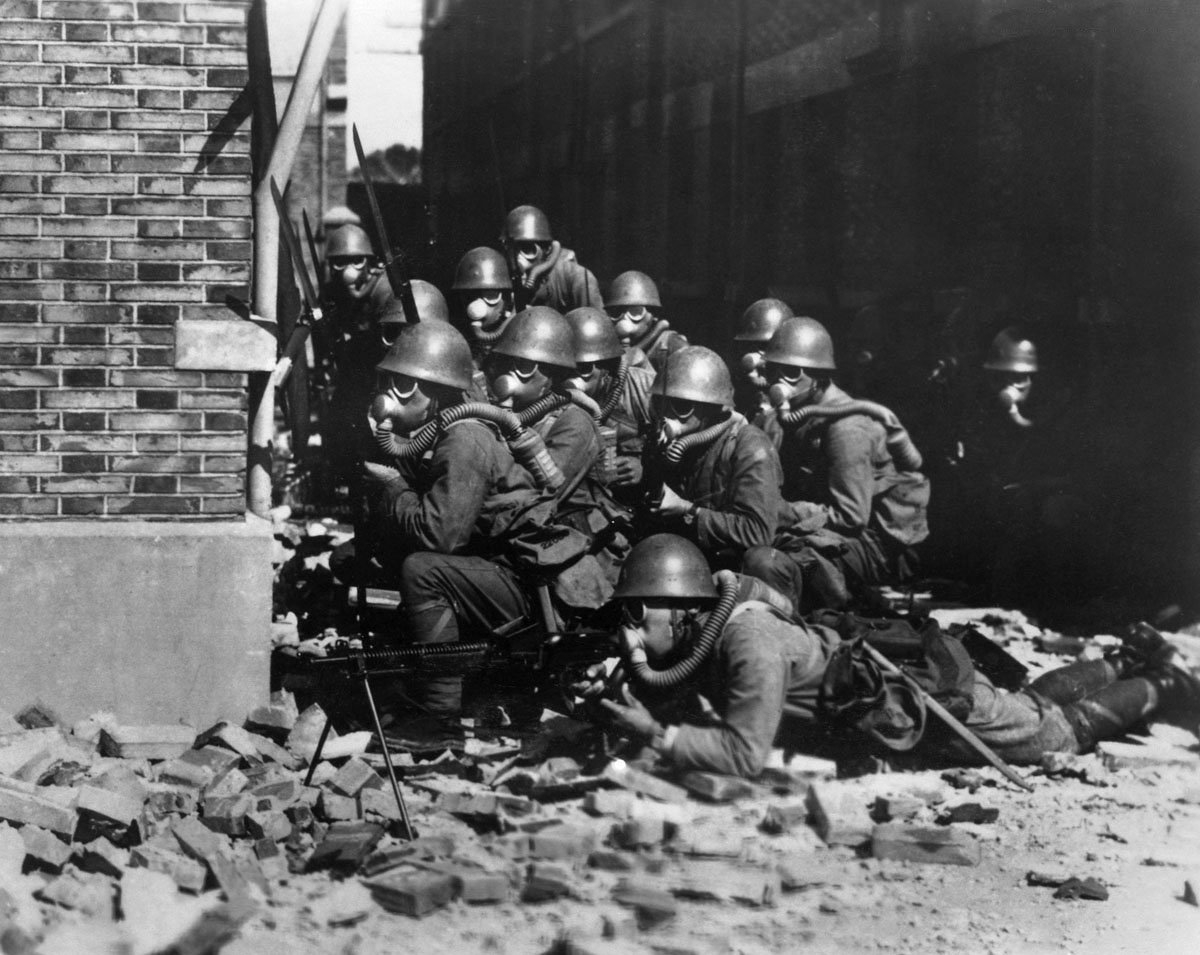
The Battle of Shanghai was one of the largest and bloodiest battles of the Second Sino-Japanese War. The Battle of Shanghai lasted from August 13 to November 26, 1937. It marked the first major engagement between the Republic of China’s National Revolutionary Army and the Imperial Japanese Army and served as a turning point that escalated the conflict into full-scale war.
Japan’s Plans for Power in Asia:
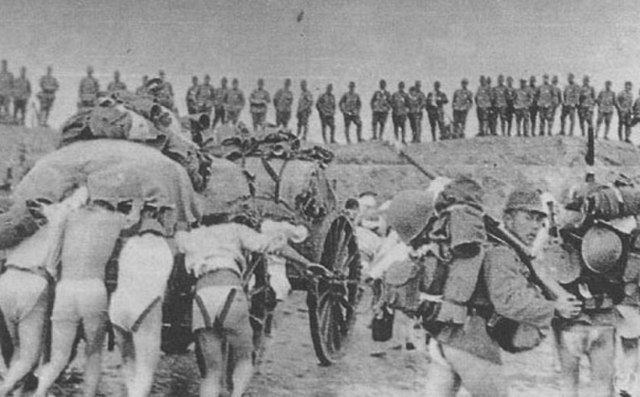
Japan’s intentions in the Second Sino-Japanese War were driven by a mix of military ambition, economic interests, and imperial ideology. By the 1930s, Japan aimed to become the dominant power in East Asia. It believed that controlling China was essential to achieving this goal. China’s vast land, natural resources, and growing population made it strategically valuable.
One of Japan’s primary goals was to establish the Greater East Asia Co-Prosperity Sphere, a concept that promoted Asian unity under Japanese leadership—but in practice, it meant Japanese domination and the exploitation of other Asian countries. Japan also feared the growing influence of Western powers in Asia and sought to secure its position by expanding its territory before the U.S. or Britain could intervene.
The war with China, beginning in 1937, was also seen as a way to crush Chinese resistance early and force the Nationalist government to submit. Japan expected a quick victory, underestimating China’s determination to fight. The invasion of key cities like Shanghai and Nanjing was part of Japan’s broader plan to break Chinese morale, seize economic centers, and weaken national unity.
Ultimately, Japan’s intentions were rooted in imperial expansion, resource acquisition, and the desire to reshape Asia under its control—at the cost of millions of lives and immense suffering across the region.
Human Cost and Destruction:
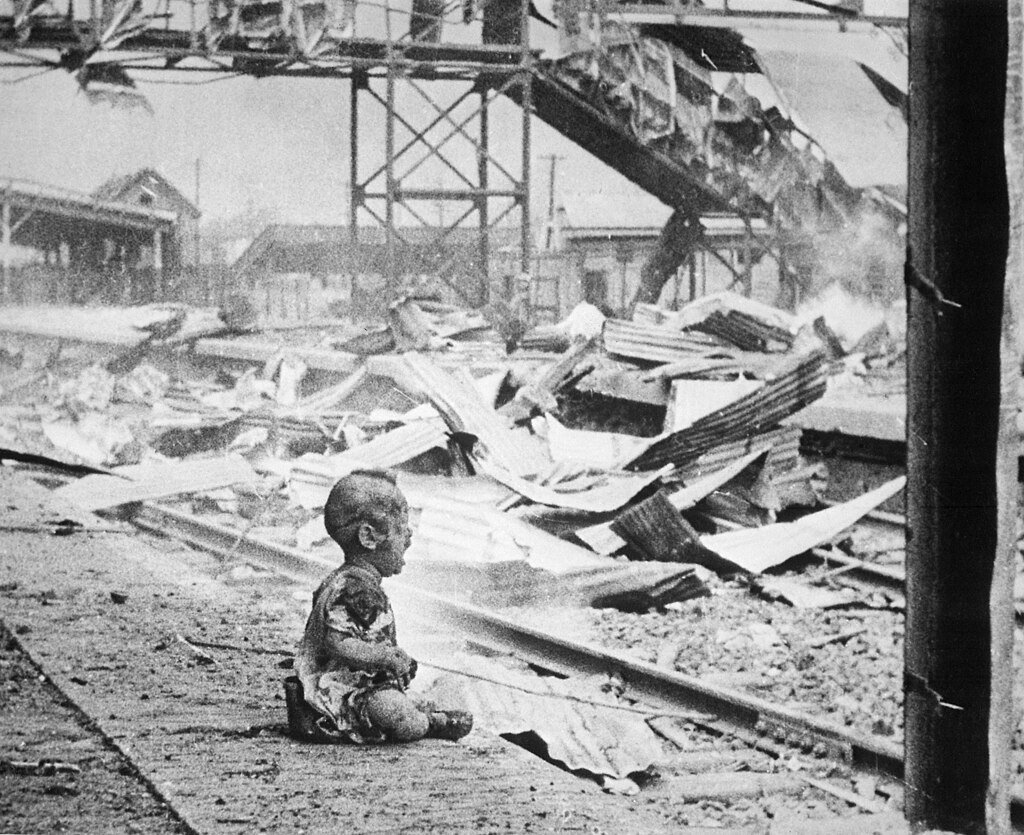
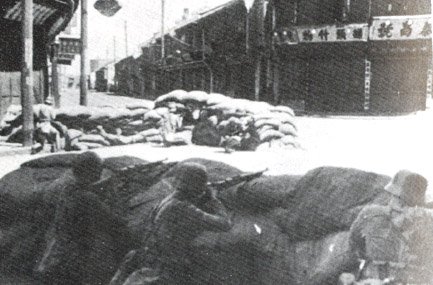
The Battle of Shanghai was extremely costly in human terms. Civilians were heavily affected, as much of the fighting took place in residential areas. Air raids and artillery shelling destroyed homes, schools, hospitals, and businesses. Fires broke out across the city, and thousands of people became refugees.
It is estimated that over 300,000 soldiers and civilians were killed, wounded, or went missing during the battle. Many civilians died not just from bombings, but also from disease, starvation, and exposure as the city’s infrastructure collapsed.
Foreigners in Shanghai, including diplomats and journalists, witnessed the destruction firsthand. Their reports brought global attention to the suffering in China, although international governments largely remained neutral.
The battle also had a deep psychological impact. It showed how modern warfare blurred the lines between military and civilian targets. Entire neighborhoods were reduced to rubble, and the trauma of the battle lasted long after the fighting ended.
Japan’s Victory and Strategic Outcome: